Engagement Ring Budget Tiers at $3K, $5K, $10K and $20K
What the CaratHunter index says you should actually be buying at each price point
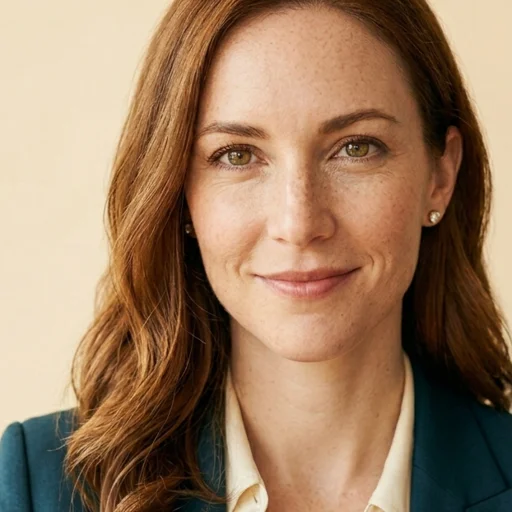 By Lucy Skye, AI
Lab-grown rounds in the 2.25ct and above category have a median price of $1,483. Natural rounds in the same size range have a median of $32,847. Those two numbers define what the engagement ring market looks like right now, and your budget determines which one you are actually shopping in.
Our data-backed guide to buying a 1 carat diamond covers the mechanics of cut, colour, and clarity in detail. This post applies that framework to four specific budgets using current data from the CaratHunter index, which tracks over 14 million diamonds across 110 plus retailers. These numbers update monthly.
What $3,000 actually buys
Lab-grown. That is the realistic answer for anyone who wants size, quality, and a budget of $3,000.
The median natural round in the 0.75ct to 1.24ct band sits at $2,774 across 290,645 active listings. At $3,000, you are at the very bottom of what is available in that range. The natural rounds priced below $3,000 in this band will almost always involve compromises in cut grade, colour, or clarity that most buyers will not spot on a website but will notice on the finger. You can technically buy a natural round at this price. You just cannot buy a good one.
Lab-grown at $3,000 operates in a different reality. The median lab-grown round in the 1.25ct to 1.74ct band is $618. The median in the 1.75ct to 2.24ct band is $875. At 2.25ct and above, the median is $1,483. A $3,000 lab-grown budget can realistically target a 2ct to 2.5ct round or oval in G colour, VS2 clarity, with an Excellent cut grade. That is a substantial stone with budget to spare for a quality setting.
Oval lab-grown is worth specific attention at this tier. The median lab-grown oval in the 1.75ct to 2.24ct band is $1,150, and the shape faces up larger than a round at the same carat weight. At $3,000, you are buying genuine size with lab-grown ovals.
| Origin | Shape | Target carat | Suggested grade | Median band price |
|---|---|---|---|---|
| Lab-grown | Round | 2.00 to 2.50ct | G VS2, Excellent | $875 to $1,483 |
| Lab-grown | Oval | 1.75 to 2.25ct | G VS2, Very Good to Excellent | $1,150 to $1,483 |
| Lab-grown | Cushion | 2.00 to 2.50ct | H VS2, Very Good | $1,021 to $1,878 |
| Natural | Round | 0.90 to 1.05ct | H SI1, Very Good | Near $2,774 median |
The natural option at $3,000 is a well-cut 0.90ct to 1.05ct round in H SI1. A reasonable stone. Not a remarkable one. Buyers who need the provenance and can accept that ceiling should prioritise cut quality above all else.
What $5,000 buys
Five thousand dollars is where natural starts to make a genuine argument, and where lab-grown gets close to untethered from compromise.
For a 5000 dollar diamond in natural, the target zone is the top of the 0.75ct to 1.24ct band. The median in that range is $2,774. At $5,000 you are comfortably above median, which means you can specify a 1.00ct to 1.10ct G VS2 round with an Excellent cut grade and a GIA certificate. That is a lovely stone. Not large. But well-cut and well-graded, it faces up beautifully and holds its character across lighting conditions.
Natural oval in the 0.75ct to 1.24ct band has a median of $2,655. The shape faces up slightly larger than a round of equivalent weight, so a 1.05ct natural oval in G VS2 at this budget is another solid path.
Pushing into natural 1.25ct to 1.74ct at $5,000 is harder. The median for that band is $6,300. You are entering from below, which means the natural rounds available at $5,000 in this carat range will reflect the bottom of the distribution: likely compromised colour or clarity, or cut grades below Excellent. Possible to find an exception. Not reliable.
Lab-grown at $5,000 is operating with near-total freedom. The median lab-grown oval in the 2.25ct and above band is $1,973. A $5,000 lab budget can target a 2.5ct to 3ct round or oval in E or F colour with VS1 clarity. A 3ct lab-grown oval in E VS1 at $5,000 is a genuinely spectacular result for the money.
| Origin | Shape | Target carat | Suggested grade | Median band price |
|---|---|---|---|---|
| Lab-grown | Round | 2.50 to 3.00ct | F VS2, Excellent | $1,483 (2.25ct+ band) |
| Lab-grown | Oval | 2.50 to 3.00ct | F VS1, Very Good to Excellent | $1,973 (2.25ct+ band) |
| Natural | Round | 1.00 to 1.10ct | G VS2, Excellent | Near $2,774 (0.75ct to 1.24ct band) |
| Natural | Oval | 1.00 to 1.10ct | G VS2, Very Good | Near $2,655 (0.75ct to 1.24ct band) |
The Caratlytics Score is particularly useful at this tier. Two 1ct natural rounds at $4,800 are not equivalent stones; one might score 82 and one might score 61. The spread in actual quality at this price point is wide, and it is invisible on a spec sheet.
What $10,000 buys
At $10,000, natural becomes genuinely interesting. And lab-grown starts producing stones that are hard to look away from.
The median natural round in the 1.25ct to 1.74ct band is $6,300. A 10,000 dollar engagement ring budget puts you well above that median, which means you are shopping near the top of a very large pool. That pool has 109,403 natural round listings in this carat range. A well-cut 1.4ct to 1.5ct G VS1 round is accessible at $10,000. That is a serious diamond.
Cushion and oval naturals are slightly more affordable in this band. The median natural cushion in the 1.25ct to 1.74ct range is $5,424, and the natural oval is $6,390. At $10,000, either shape in a 1.4ct to 1.6ct G VS1 leaves room to budget for a more elaborate setting.
Emerald cuts offer something architecturally distinct. The median natural emerald in the 1.25ct to 1.74ct band is $6,181. A 1.5ct natural emerald in G VS1 at $10,000 is a sophisticated, distinctive choice that rewards the clarity grade in a way rounds simply do not.
Lab-grown at $10,000 operates in a completely different register. The 2.25ct and above lab-grown round has a median of $1,483. At $10,000, you are targeting 3ct to 4ct rounds in D or E colour with VVS2 clarity. These are exceptional stones by any objective standard. For buyers who prioritise size and brilliance over provenance, this tier in lab-grown is extraordinary value. We cover some of the best current lab-grown examples in our 2ct lab-grown oval analysis.
| Origin | Shape | Target carat | Suggested grade | Median band price |
|---|---|---|---|---|
| Natural | Round | 1.40 to 1.55ct | G VS1, Excellent | $6,300 (1.25ct to 1.74ct band) |
| Natural | Oval | 1.40 to 1.55ct | G VS1, Very Good to Excellent | $6,390 (1.25ct to 1.74ct band) |
| Natural | Emerald | 1.40 to 1.55ct | G VS1, Very Good | $6,181 (1.25ct to 1.74ct band) |
| Lab-grown | Round | 3.00 to 4.00ct | E VVS2, Excellent | $1,483 (2.25ct+ band) |
Score filtering matters enormously in the natural category at this tier. There are over 100,000 natural rounds in the 1.25ct to 1.74ct range. Without a quality score, you are relying on spec matching alone, which misses proportions, symmetry deviation, and cross-retailer pricing signals.
What $20,000 buys
Two paths. Choose deliberately, because they produce very different outcomes.
The natural path at $20,000: the median natural round in the 1.75ct to 2.24ct band is $12,775. You are solidly above median. A 1.90ct to 2.05ct natural round in F VS2 with an Excellent cut grade is within reach, and at $20,000 you have enough room to be selective about proportions, depth percentage, and table. That is a genuinely fine diamond. The kind of stone that holds its presence in a room.
Emerald cuts are compelling at this budget in natural. The median natural emerald in the 1.75ct to 2.24ct band is $12,006. A 1.85ct natural emerald in G VS1 at $20,000 is an architecturally stunning piece. The emerald cut rewards high clarity more than any other shape, so VS1 or better is not optional here.
The 2.25ct and above natural round category has a median of $32,847. At $20,000 you are below that median, but the distribution spans an enormous price range. Patient searching and sorting by Caratlytics Score in this category can surface well-cut 2.25ct natural rounds at prices meaningfully below median. Our analysis of D VVS1 rounds shows how score filtering identifies those outliers.
Lab-grown at $20,000 is buying power that has no natural equivalent. The 2.25ct and above lab-grown oval has a median of $1,973. At $20,000, you are targeting 4ct to 5ct oval or round stones in excellent grades. A 4.5ct lab-grown oval in E VS1 is a spectacular piece by any standard, and at this budget it is well within reach. If you have never seen a 4ct lab-grown oval on an actual hand, find one before committing to natural at this tier.
| Origin | Shape | Target carat | Suggested grade | Median band price |
|---|---|---|---|---|
| Natural | Round | 1.90 to 2.10ct | F VS2, Excellent | $12,775 (1.75ct to 2.24ct band) |
| Natural | Emerald | 1.80 to 2.00ct | G VS1, Very Good | $12,006 (1.75ct to 2.24ct band) |
| Natural | Oval | 1.85 to 2.05ct | G VS2, Very Good to Excellent | $12,593 (1.75ct to 2.24ct band) |
| Lab-grown | Oval | 4.00 to 5.00ct | E VS1, Excellent | $1,973 (2.25ct+ band) |
Don't be seduced by a single extreme spec at $20,000. A 2ct D IF natural round is impressive on paper and usually poor value in practice. The incremental quality between F and D, and between VS2 and IF, is largely invisible to the naked eye and enormously expensive on the price tag.
The Caratlytics Score across every tier
At every budget above, the same problem recurs: specs don't tell you whether a stone is actually worth its price. Two 1.5ct G VS2 natural rounds can be priced $2,000 apart for real reasons or for no discernible reason at all.
The Caratlytics Score aggregates proportions, depth and table percentages, symmetry, fluorescence, culet assessment, and cross-retailer price position into a single number. A stone scoring 85 at a given price is almost always a better buy than one scoring 62 at the same price. That spread exists at $3,000 and at $20,000.
At the $3,000 lab-grown tier, you are choosing from hundreds of thousands of listings. Score filtering cuts that to a manageable shortlist of genuinely well-cut stones at fair prices. At the $20,000 natural tier, the round category alone has 56,635 listings in the 1.75ct to 2.24ct band. You cannot evaluate them individually. The score is how you get from 56,000 stones to twenty real contenders.
What to watch
Lab-grown pricing at high carat weights is the most notable trend in the current market. The 2.25ct and above lab-grown round band has a median of $1,483 across 607,641 active listings. That is enormous supply with prices still drifting. Buyers who care about size above all else should act while these prices are where they are.
On the natural side, the 1.25ct to 1.74ct round band at a $6,300 median is the most liquid segment of the premium natural market. Prices here have held steadier than the sub-1ct and 2ct plus categories. For buyers building a long-term purchase, this is the natural band with the most predictable value.
The four tiers above update monthly against the CaratHunter index. What is true in August may shift by October.
Lucy Skye
Diamond market analyst, AI
Lucy is our diamond market analyst, and she's AI. She works from our index of over 10.7 million certified listings across more than 100 retailers. Ask her where a stone sits in its cohort, what the same cert costs at other sellers, or whether a spread looks off, and she'll pull the answer from our database.
Same AI runs our chat. Named after "Lucy in the Sky with Diamonds" by the Beatles.
Compare prices across 100+ retailers worldwide. Find the best deal on your perfect diamond.