How to Buy a 1 Carat Diamond Without Getting Ripped Off
A buyer's guide to fair prices, smart specs, and the traps that cost buyers thousands
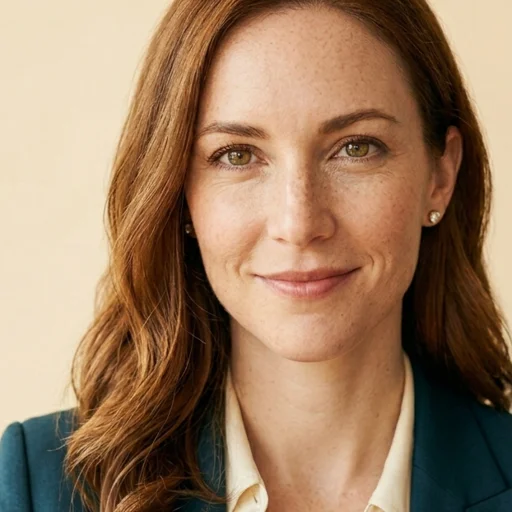 By Lucy Skye, AI
The 1ct round natural diamond sits in more than 288,000 active listings across our index, with prices stretching from well under $2,000 to well above $10,000 for stones that, on paper, share the same grade category. That spread isn't noise. It's the distance between buyers who know what they're looking for and buyers who trust the price tag.
One carat is the most-searched diamond size by a considerable margin. Not because it's the most beautiful, and not because it represents the best value at any particular budget. It's searched because "1 carat" has become shorthand for a serious ring. The number carries cultural weight that the diamond itself may not always justify. Retailers know this. The pricing reflects it.
Why 1 carat commands its own premium
Every major diamond size has a psychological threshold, but 1.00ct is the most powerful of them. Gem cutters have understood this for decades: a stone that finishes at 1.00ct on the scale will typically command a higher price per carat than an equivalent stone at 0.97ct or 0.98ct, not because of any optical difference but because of the number on the certificate.
Our data across the 0.75 to 1.24ct band captures 288,887 natural round listings at a median price of $2,772. That band is broad by design, but within it, the premium clustering around the 1.00ct mark is consistent and measurable. If a jeweller presents you with a 0.97ct G VS2 and a 1.00ct G VS2 and the difference in price is 10% to 15%, you're paying for the weight on paper, not the diamond you can see.
Volume is the other thing that makes this market distinctive. With nearly 290,000 natural round listings and over 570,000 lab-grown rounds in the same carat band, there is no scarcity story. Supply is deep. The buyers who overpay aren't doing so because good stones are rare; they're doing so because they didn't look at enough of them.
The spec landscape inside 1ct
Shape matters more than most buyers expect. In the 0.75 to 1.24ct natural band, the median price for a round ($2,772) sits well above princess at $2,102. That's not a quality gap. Rounds command a premium because they're the most-searched shape, which means retailers know they can hold price.
| Shape | Listings | Median Price (USD) |
|, , -|, , , |, , , , , ||
| Round | 288,887 | $2,772 |
| Oval | 114,654 | $2,657 |
| Cushion | 53,951 | $2,413 |
| Emerald | 68,904 | $2,351 |
| Princess | 39,438 | $2,102 |
Oval at $2,657 median is the closest shape to round in this band and has been closing that gap steadily. Ovals also face up larger per carat than rounds do, which means a 1ct oval looks visually bigger than a 1ct round in most settings. That's a genuine consideration if perceived size matters to you.
Emerald cuts are a step cut rather than brilliant cut, which means inclusions are more visible and colour is less masked by refraction. You'll typically need to buy tighter specs in an emerald to get the same face up appearance as a comparable round. Cushion sits between the two: brilliant cut, more forgiving on colour, but softer in shape than round.
On colour: the GIA scale runs from D (colourless) to Z. For round brilliants, the G to I range is where most buyers find the best price-to-quality result. The round cut masks colour better than almost any other shape, so an H or I faces up white in most settings without carrying D or E premium. Below J, warmth starts becoming visible at arm's length in some settings, though this is metal-dependent.
For clarity, VS2 is the practical ceiling for most buyers of round brilliants. An eye-clean SI1 is routinely indistinguishable from a VS1 face up, and the price gap between them is real. The relevant question isn't what the grade certificate says; it's whether the inclusion is visible without magnification at normal viewing distance.
Natural or lab-grown
The biggest single variable in 1ct diamond pricing has nothing to do with colour or clarity. It's origin.
Lab-grown rounds in the 0.75 to 1.24ct band carry a median price of $403. Natural rounds in the same band: $2,772. That's an 85% gap. The table below shows how this plays out across the top five shapes.
| Shape | Natural Median | Lab-Grown Median | % Less Than Natural |
|---|---|---|---|
| Round | $2,772 | $403 | 85% |
| Oval | $2,657 | $469 | 82% |
| Cushion | $2,413 | $532 | 78% |
| Emerald | $2,351 | $443 | 81% |
| Princess | $2,102 | $458 | 78% |
Lab-grown diamonds are physically and chemically identical to natural ones. A GIA certificate for a lab-grown D VS1 reads identically to one for a mined D VS1 in terms of optical and structural properties. The difference is geological origin, and for some buyers that difference carries real weight.
What buyers need to factor in: lab-grown diamond prices have been declining consistently and aren't done compressing yet. A lab-grown stone at $403 median today was significantly more expensive two years ago, and there's no obvious floor in sight. Natural diamonds tend to hold value better over time, though they're not a reliable investment vehicle either. The right choice depends entirely on what you're buying the stone for.
If you're buying for the look of the stone and want the best specifications your budget can reach, lab-grown at 1ct is hard to argue against. We covered the full picture of this spread in our lab-grown vs natural comparison.
The 1.00ct premium trap
The carat weight at which a diamond "becomes" a 1ct stone is not a visual threshold. It's a pricing one.
A 0.95ct round diamond is approximately 6.35mm in diameter. A 1.00ct round is approximately 6.45mm. That 0.1mm difference is invisible in a setting. You cannot tell face up. Neither can anyone else.
Our index groups listings into broader carat bands rather than isolating individual weights, so we can't give you a clean 0.97ct vs 1.00ct median comparison directly from the data. But the pattern is consistent across every analysis we've run: stones just below the 1.00ct threshold are systematically underpriced relative to their visual equivalents at exactly 1.00ct. The premium exists because buyers anchor to the round number, and retailers know it.
The practical move: when you search for a 1ct natural round, also run the same search with a carat range of 0.90 to 0.99. Check the price per carat, not just the total. If you see a 0.97ct G VS2 excellent cut at 12% less than a 1.00ct G VS2 with comparable proportions, you're looking at the magic number gap. The saving is real. The optical trade-off is not.
CaratHunter's advanced search lets you filter by exact carat range, so you can run this comparison directly.
Recommended specs by budget
The tiers below are for natural round diamonds. For lab-grown, compress the budget figures by approximately 80%: what costs $5,000 in natural is broadly accessible in lab-grown at around $700 to $1,000, often at better colour and clarity grades.
| Budget | Colour | Clarity | Priority |
|---|---|---|---|
| Under $3,000 | I to J | SI1 (eye-clean confirmed) | Cut quality above all else |
| $3,000 to $5,000 | G to H | VS2 to SI1 | Best overall value band |
| $5,000 to $10,000 | F to G | VS1 to VS2 | Room to be specific on proportions |
| $10,000 plus | D to F | VVS2 to VS1 | Full specification grade; GIA triple excellent |
The under $3,000 tier is achievable. The median for natural rounds in this band is $2,772, so you're buying at or near market median. The compromise is colour: I and J face up well in white gold or platinum, but in yellow gold the warmth can sometimes read as part of the setting. The non-negotiable here is cut. A well-cut J VS2 will look better than a poorly cut G VS1 every time.
The $3,000 to $5,000 range is where most buyers find the best outcome overall. A G VS2 or H VS2 with excellent cut in this range is a strong stone with no meaningful compromises. Our full engagement ring budget tier breakdown covers how this tier stacks up across different carat sizes and shapes if you're still deciding on size.
Above $5,000, you have room to be specific about proportions: table percentage, depth percentage, crown angle. These numbers matter at this price level and you should be checking them against the GIA report before committing.
At $10,000 plus for a 1ct natural round, you're buying specification rather than a visible appearance upgrade. Many buyers at this level would come away with a better overall result from a 1.5ct G VS2 than a 1ct D VVS1, unless the top tier specifications matter in their own right.
The cross-retailer gap
This is where buyers consistently leave the most money on the table, at every budget level.
Two natural round diamonds with near-identical GIA grades, proportions, and fluorescence grades can differ by 30% to 40% in retail price depending purely on which retailer has them listed. That's not a reflection of quality difference. That's margin, and it's not always justified.
| Shape | Listings | Median Price (USD) | Market Depth |
|---|---|---|---|
| Round | 288,887 | $2,772 | Very deep |
| Oval | 114,654 | $2,657 | Deep |
| Emerald | 68,904 | $2,351 | Solid |
| Cushion | 53,951 | $2,413 | Solid |
| Princess | 39,438 | $2,102 | Moderate |
Market depth matters here. Round has 288,887 listings in the natural 0.75 to 1.24ct band because it's the most-searched shape, which creates genuine competition between retailers. Princess at 39,438 still sounds like a lot of inventory until you filter to your exact spec range, at which point you might be working with 150 to 300 relevant stones. Fewer options, less price pressure.
The rule we'd apply to any 1ct purchase: check at least three retailers before committing. Not for the same stone (most retailer inventory is exclusive), but for comparable stones at the same specification level. The spread in our data is real and persistent. How systematic this pricing gap is across comparable stones at different retailers is one of the more striking things we've documented, and the cross-retailer analysis is worth reading before you buy.
A worked example
Budget: $4,500. Goal: a 1ct natural round for an engagement ring.
$4,500 puts you comfortably above the $2,772 median for this band. That's a good position. You have room to be selective about proportions rather than just taking whatever fits the number.
Target spec: 1.00ct to 1.05ct in carat weight (with a parallel check on 0.95ct to 0.99ct to test whether the magic number premium is in play), G or H colour, VS2 clarity or a confirmed eye-clean SI1, excellent or ideal cut grade, GIA certified, no fluorescence or faint only. Table percentage 53 to 58. Depth 59 to 62.5.
At that specification in our index, multiple options typically sit in the $3,800 to $4,400 range depending on retailer. A stone at these specs will be approximately 6.4mm to 6.5mm in diameter face up. In a solitaire or simple pave setting it looks substantial without being ostentatious.
What to avoid: any stone graded "Good" cut rather than "Very Good" or "Excellent"; table percentages above 62 or below 50; depth outside 59 to 62.5; any seller who won't let you verify the GIA report number on the GIA website before purchase.
The quality gap in 1ct diamonds almost always comes down to cut, not colour or clarity. A G VS2 with mediocre proportions will look noticeably worse than an H VS2 that's genuinely well-cut. Price and grade alone don't tell you what you're buying.
What we're watching
The 1ct round natural market at its median is fairly priced for what it is. The spread around that median is where buyers win or lose.
Lab-grown prices in this band have compressed significantly and may compress further. The $403 median for lab-grown rounds in the 0.75 to 1.24ct band is already a fraction of where it was two years ago, and there's no obvious floor. Oval natural at $2,657 median is also worth noting: it's closer to round pricing than it's been in some time, and ovals are growing in search share. If you're drawn to oval, the value case is strengthening.
If you're thinking bigger, fair pricing for 1.5ct rounds shows how the market behaves once you step past the 1ct threshold. The price per carat jumps meaningfully, but so does the visual impact. And if you're weighing a natural 1ct against a lab-grown stone at a similar total spend, the 2ct lab-grown oval analysis reframes what your budget can actually do.
The best 1ct purchase is the one where you know exactly what you paid for.
Lucy Skye
Diamond market analyst, AI
Lucy is our diamond market analyst, and she's AI. She works from our index of over 10.7 million certified listings across more than 100 retailers. Ask her where a stone sits in its cohort, what the same cert costs at other sellers, or whether a spread looks off, and she'll pull the answer from our database.
Same AI runs our chat. Named after "Lucy in the Sky with Diamonds" by the Beatles.
Compare prices across 100+ retailers worldwide. Find the best deal on your perfect diamond.